


Students Give Back on Alternative Spring Breaks
In early March, Wilkes University’s alternative spring break (ASB) program, part of the University’s Office of Civic Engagement, hosted three separate trips to Texas, Washington, D.C. and the Dominican Republic. Students participated in these alternative service experiences alongside staff chaperones.
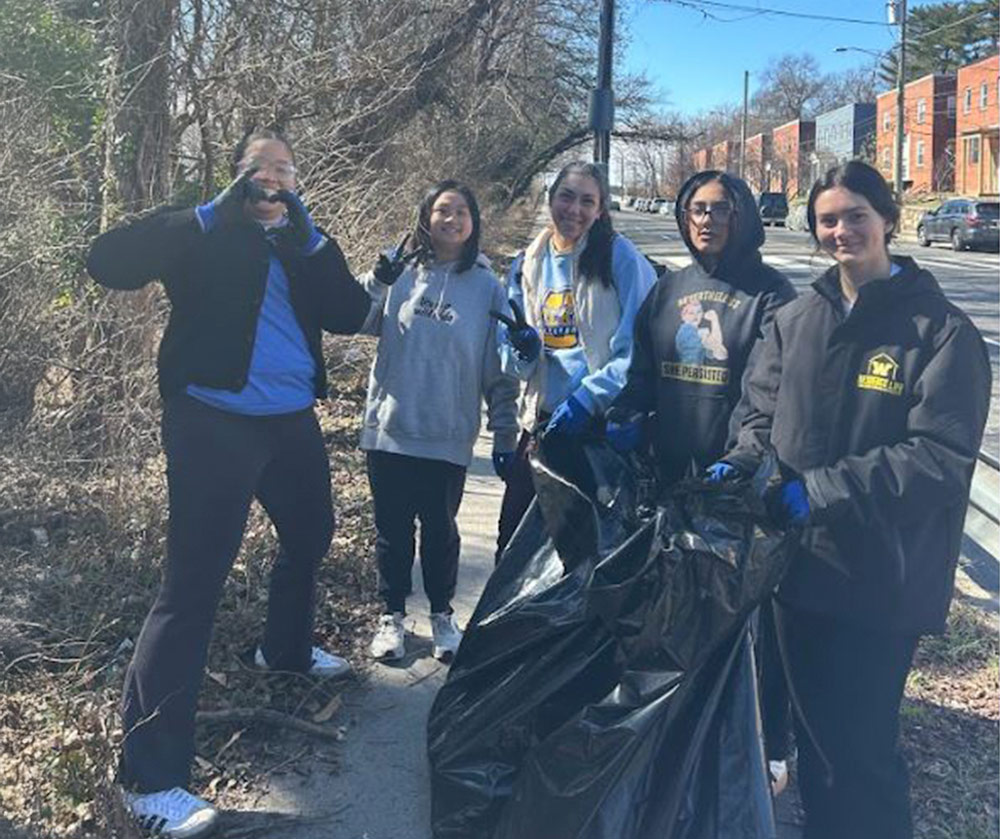
Each trip presented its own unique opportunities to volunteer and explore. Students from the Bonner Leader Program traveled to Washington, D.C., partnering with nonprofit organizations to aid refugees, promote the natural beauty of public parks and provide resources for family and community support, education, health and wellness. They also immersed themselves in cultural activities including museum visits.
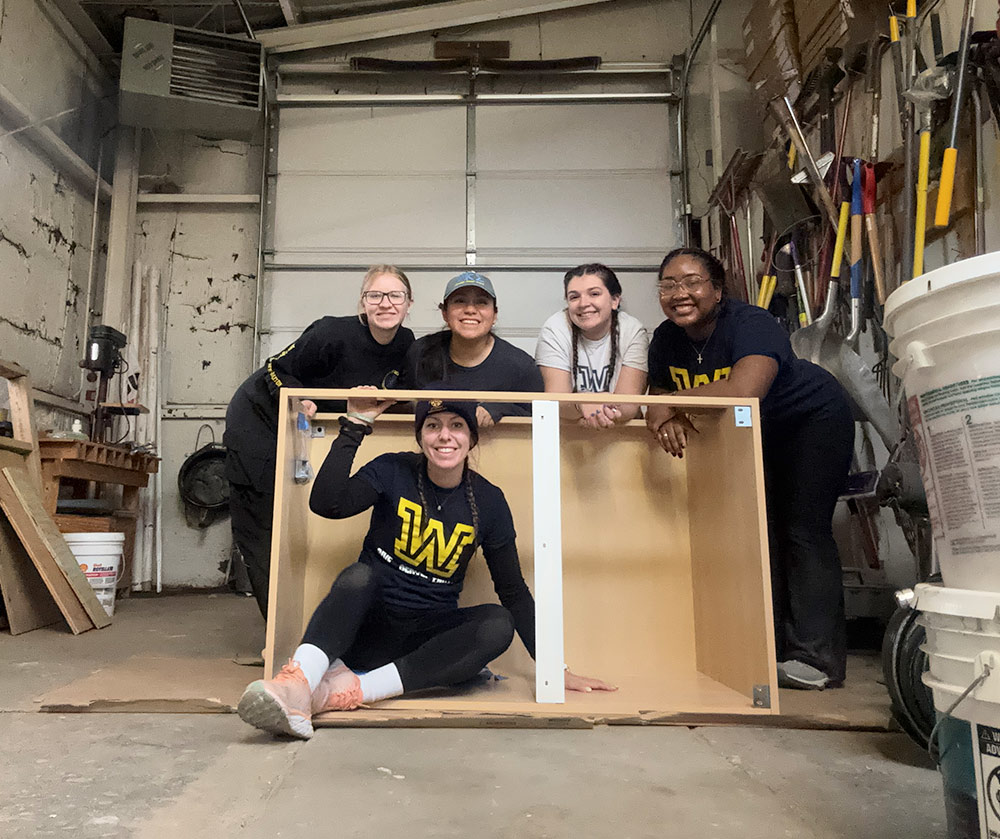
Despite the higher temperatures and its claim to being one of the windiest cities in America, another group rolled up their sleeves to help build homes, landscape and clean in partnership with Amarillo Habitat for Humanity and its ReStore initiative in Amarillo, Texas.
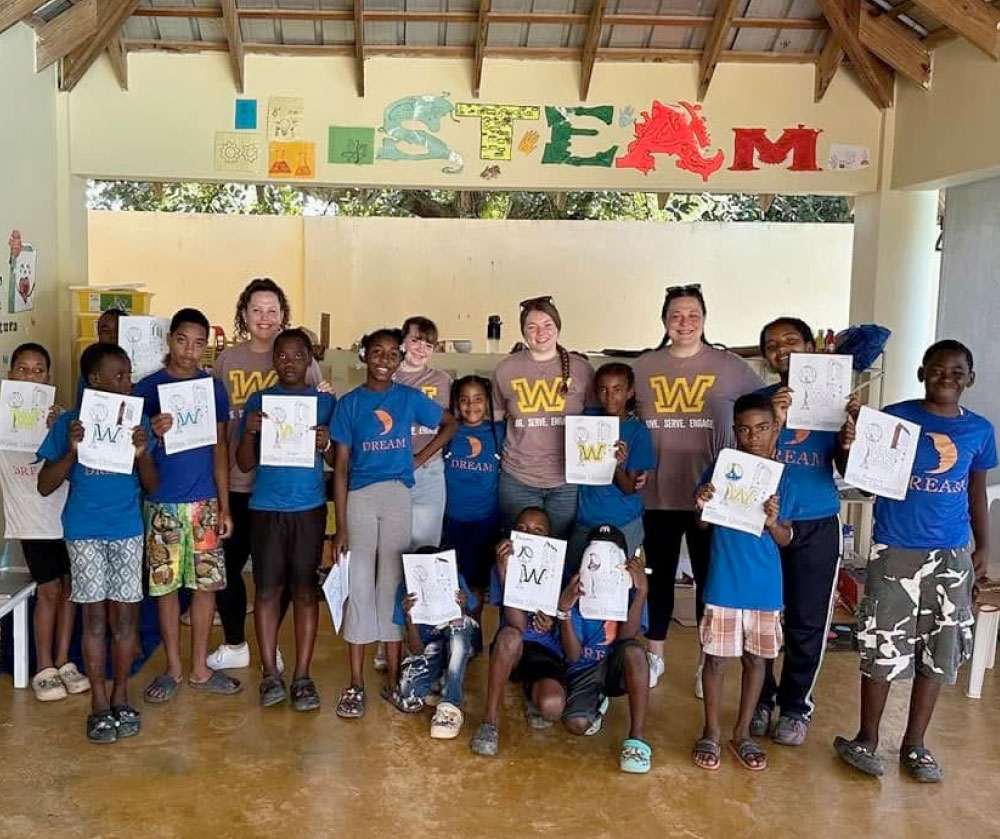
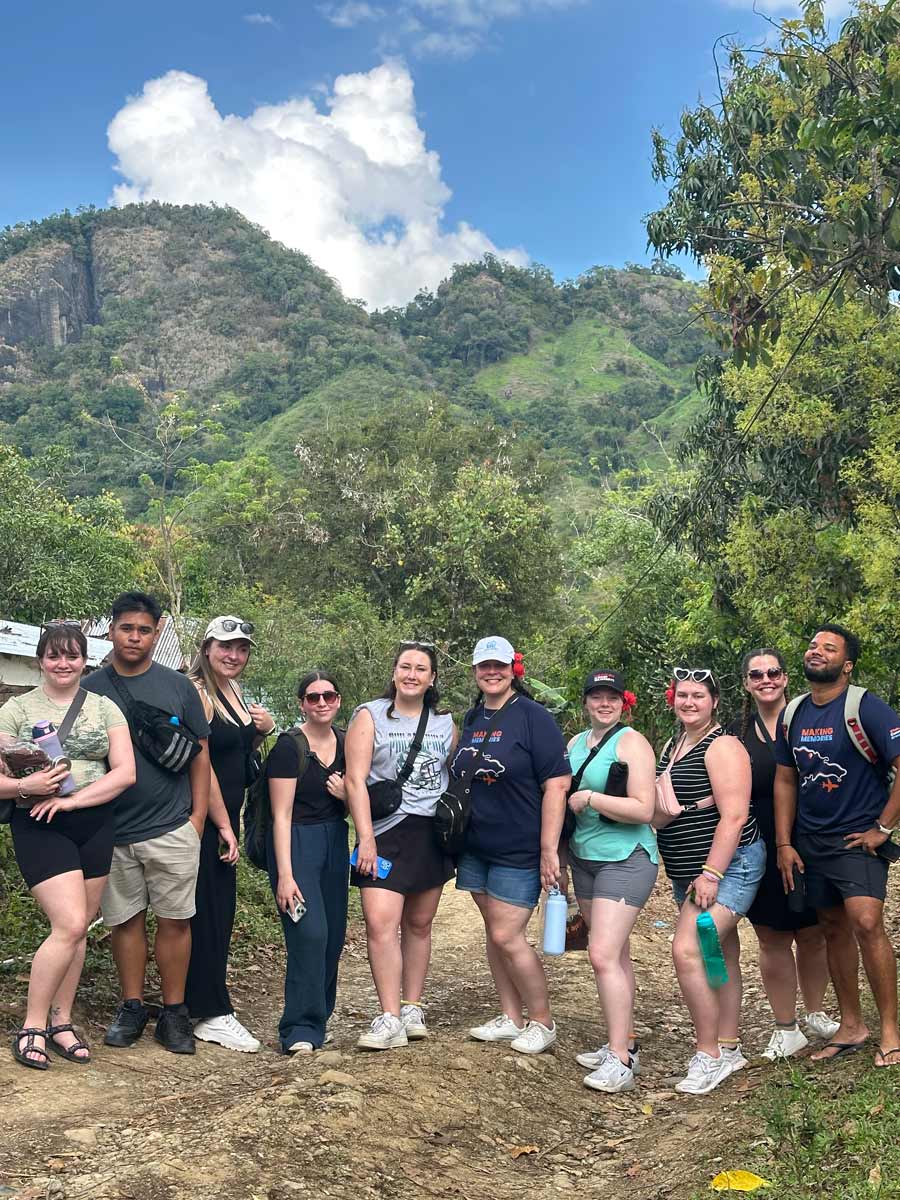
Journeying south to Cabarete in the Dominican Republic, more students and staff worked directly with the DREAM Project and InspireDR. The goal of the DREAM Project is to bring educational opportunities to families and children in the local community. InspireDR is specifically designed for young boys and provides after-school programs that teach life skills and values. Students worked closely with the kids through service learning in STEAM (science, technology, engineering, arts and mathematics), sports and English.
A P3 pharmacy and MBA student with minors in Spanish and business administration, Makenzie Psarakis, of Milton, Pennsylvania, jumped at the chance to teach children.
“I would recommend ASB to anyone looking to give back and connect with others while also challenging yourself to grow,” says Psarakis. “Service is an extremely rewarding experience, but it’s not always easy. It may be your first time out of the country, on a plane, experiencing another culture firsthand or teaching in a classroom, and new experiences can sometimes feel uncomfortable. However, there’s no growth in the comfort zone and no comfort in the growth zone.”
